Editor’s Note (June 2026): This article has been updated to reflect current research, labeling regulations, and best practices for people with celiac disease and gluten-related disorders.
Oats are one of the most debated foods in the gluten-free community. Some people eat them daily without issue, while others avoid them entirely. Add in conflicting opinions about purity protocol oats, mechanically sorted oats, oat milk, and gluten-free certifications, and it’s easy to feel confused.
The good news is that most people with celiac disease can tolerate oats that meet gluten-free standards. However, oats remain complicated, and there are legitimate reasons why some experts and consumers continue to debate their safety.
In this article, I’ll explain why oats are controversial, what current research says, and how to decide whether oats belong in your gluten-free diet. Please see my disclosures.
Is There Gluten in Oats?
Oats are naturally gluten-free. The challenge is that conventional oats are frequently cross-contaminated with wheat, barley, and rye during cultivation, transportation, storage, and processing. For this reason, people following a gluten-free diet should consume only oats and oat-containing products labeled gluten-free or certified gluten-free.
Under FDA regulations, foods labeled gluten-free must contain less than 20 parts per million (ppm) of gluten. Certified gluten-free products undergo additional oversight and verification by a third-party organization. Read more about gluten-free labeling laws in this article: Gluten-Free Labeling Laws Explained: How to Read Food Labels and Avoid Hidden Gluten.
Bottom line: Oats are naturally gluten-free, but conventional oats are often cross-contacted with gluten-containing grains. If you choose to eat oats, look for products labeled gluten-free or certified gluten-free.
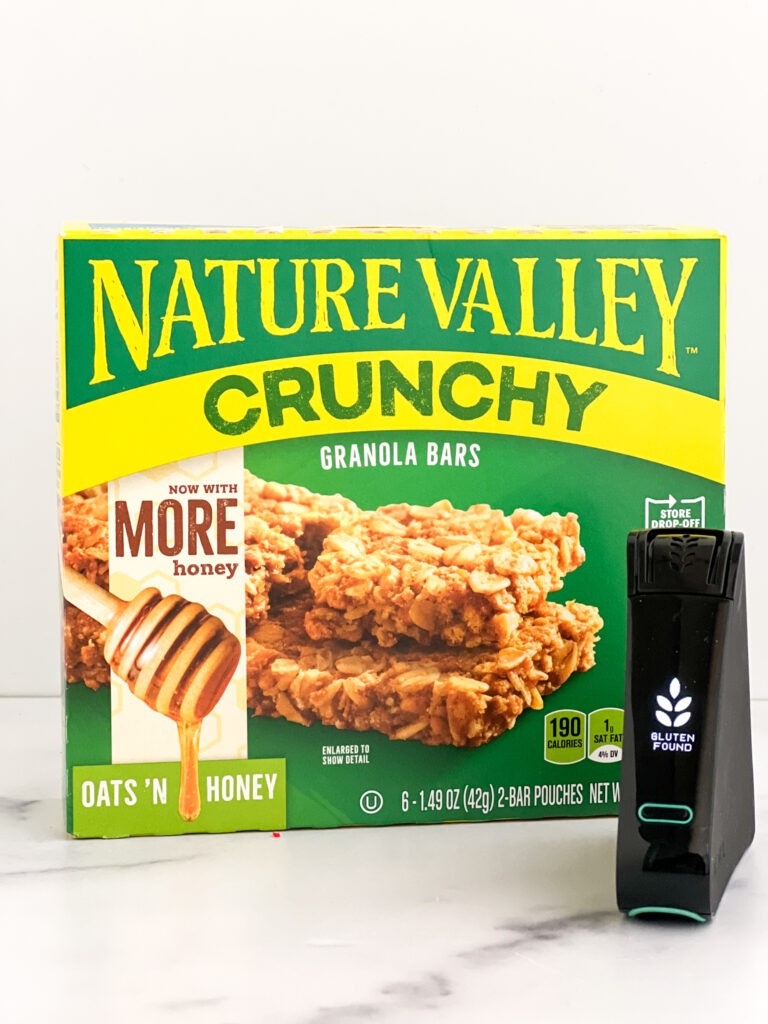
Example of Gluten in Oats: Nature Valley Oats ‘N Honey bars are not labeled gluten-free but contain no gluten ingredients. However, because they contain oats, you cannot assume they’re gluten-free or celiac safe. My independent testing of the bars with my Nima Sensor confirmed that the product contains detectable levels of gluten despite containing no gluten ingredients (only contaminated oats).
Purity Protocol vs. Commodity Oats
There are two primary approaches to producing gluten-free oats:
Purity protocol oats are grown, harvested, transported, and processed using practices designed to minimize exposure to wheat, barley, and rye from the very beginning.
Commodity (or conventional) oats are grown within the conventional oat supply chain and then mechanically and/or optically sorted to remove gluten-containing grains before being tested to verify they meet gluten-free standards.
Both approaches have passionate supporters and critics.
Some consumers prefer purity protocol oats because they believe preventing cross-contact from the start offers the greatest level of assurance. Others are comfortable with mechanically sorted oats, noting that many manufacturers use sophisticated sorting technology and rigorous testing programs to verify compliance with gluten-free standards.
The reality is that neither approach is perfect.
For example, several years ago, The Gluten-Free Watchdog found gluten levels above the FDA’s gluten-free threshold in certain lots of oat flour from GF Harvest, a company that uses purity protocol oats. Meanwhile, many manufacturers using mechanically sorted oats have extensive testing and quality-control programs that consistently produce products that meet gluten-free standards.
What matters most is not whether a company uses purity protocol or mechanically sorted oats. What matters most is whether the company has strong quality-control systems, testing protocols, and transparency around its gluten-free practices.
Large manufacturers such as Quaker Oats, General Mills, and Bob’s Red Mill typically rely on mechanically sorted oats because securing enough purity protocol oats to meet consumer demand can be difficult and expensive. These companies use specialized sorting technology and testing programs to help ensure their oats meet gluten-free standards.
In the sections below, I’ll take a closer look at how several major oat manufacturers source, test, and verify their gluten-free oats.
Are Bob’s Red Mill Oats Gluten Free?
Bob’s Red Mill is one of the most trusted brands in the gluten-free community, though some consumers are surprised to learn that its gluten-free oats are neither purity protocol oats nor certified gluten-free.
Early in my celiac journey, that gave me pause too. However, after researching the company’s sourcing and testing practices, I came away with a different perspective.
Bob’s Red Mill uses a combination of mechanically sorted and purity protocol oats and subjects them to extensive testing throughout the production process. According to the company, oats are tested before, during, and after processing using ELISA testing methods designed to detect low levels of gluten.
The company also processes and packages its gluten-free products in a dedicated gluten-free facility and requires suppliers to verify that oats meet its gluten-free specifications before shipment.
In a written statement to Good For You Gluten Free, a spokesperson explained:
“Our suppliers are innovative in controlling the presence of gluten through a variety of methods, including crop rotation management plans and the use of optical sorting technology. Regardless of our suppliers’ chosen methods for meeting our gluten-free specification, we require that each lot is tested and confirmed gluten-free before authorization for shipment to Bob’s Red Mill.”
While no testing system is perfect, Bob’s Red Mill has invested heavily in quality-control procedures designed to help ensure its products meet gluten-free standards.
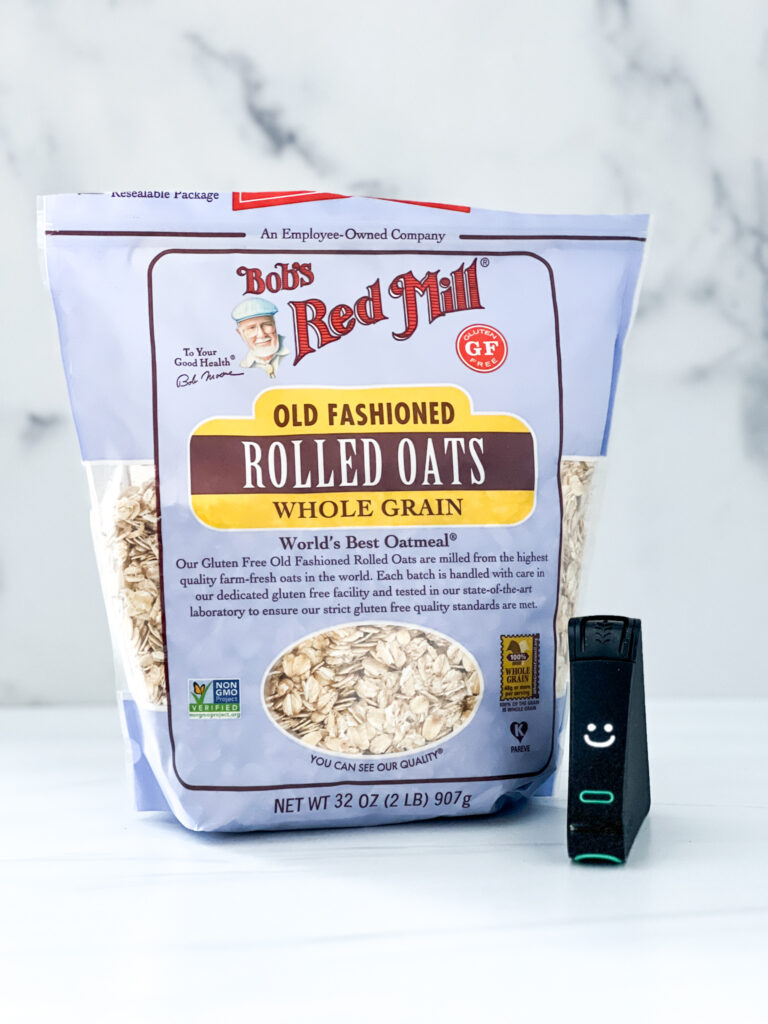
I’ve also tested Bob’s Red Mill gluten-free oats multiple times with my Nima Sensor and have never received a “gluten found” result.
Bottom Line: Bob’s Red Mill relies on extensive sourcing controls, testing protocols, and dedicated gluten-free manufacturing practices to help ensure its oats meet gluten-free standards.
Are Quaker Oats Safe?
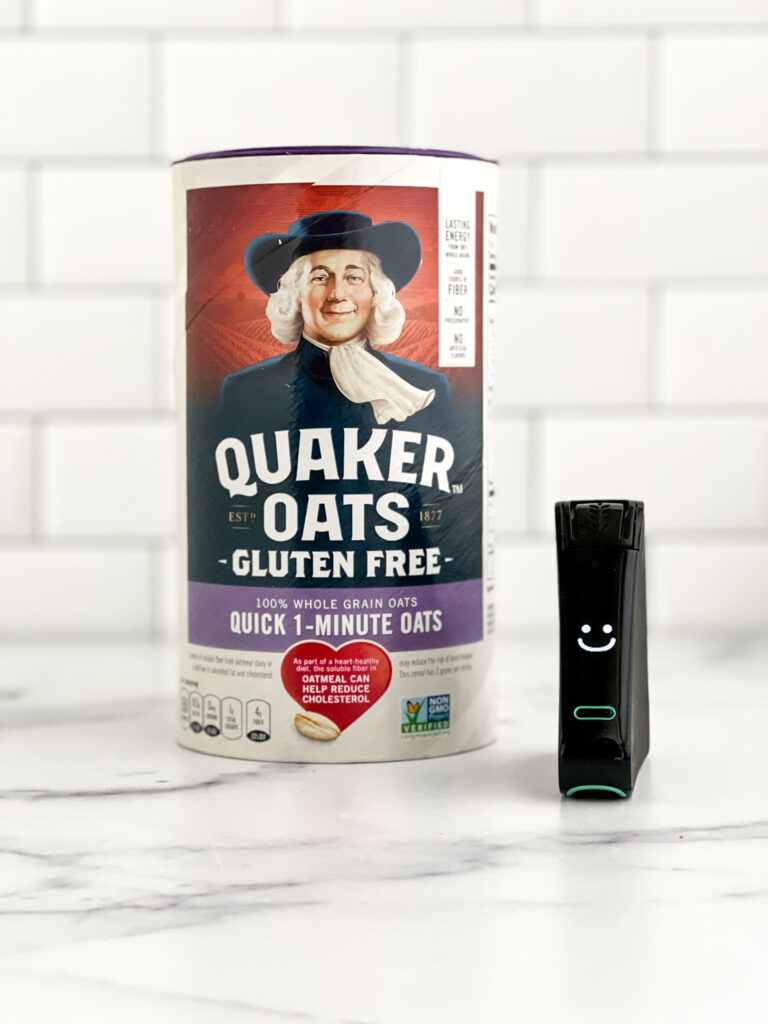
Quaker sells several gluten-free oat products, including its Gluten-Free Quick 1-Minute Oats and select instant oatmeal varieties. While these products are not certified gluten-free, Quaker says its oats are mechanically and optically sorted, then tested throughout the production process to ensure they meet FDA gluten-free standards.
According to Quaker, each production lot undergoes multiple quality checks and finished-product testing before being released for sale.
Like many large manufacturers, Quaker relies on commodity oats rather than purity protocol oats. This approach has its critics, but Quaker maintains that its sorting technology and testing procedures effectively remove gluten-containing grains and verify compliance with gluten-free standards.
I also tested Quaker Gluten-Free Oats with my Nima Sensor and did not receive a “gluten found” result.
Bottom Line: Quaker uses mechanically sorted oats and extensive testing protocols to produce oats that meet FDA gluten-free standards. Whether you’re comfortable eating Quaker oats is a personal decision, but the company has invested significantly in processes designed to ensure its gluten-free products are safe.
Are Trader Joe’s Gluten-Free Oats Safe?
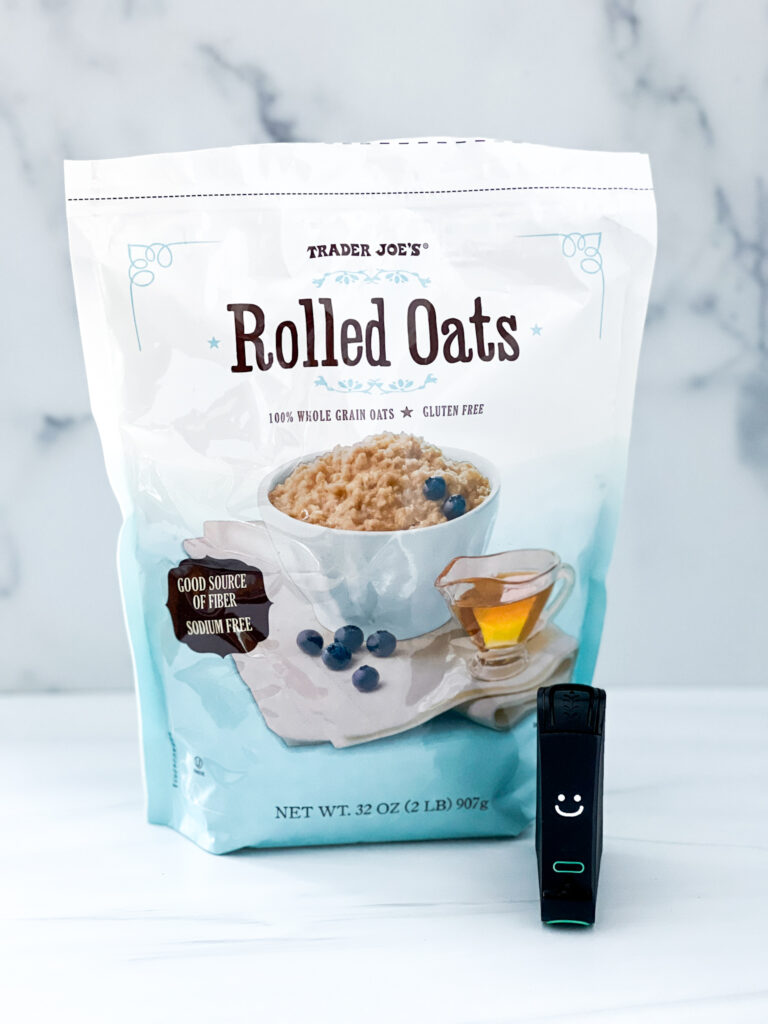
Trader Joe’s gluten-free rolled oats have generated debate within the gluten-free community over the years. The company states that its oats are grown in dedicated gluten-free fields, suggesting it follows a purity-protocol-style approach to sourcing.
However, some independent testing has raised questions about the consistency of certain lots. In particular, Gluten Free Watchdog reported finding significant variation in gluten levels across different samples, with some testing above the FDA’s less-than-20-ppm gluten-free threshold.
At the same time, I’ve tested Trader Joe’s Gluten-Free Rolled Oats multiple times with my Nima Sensor and have never received a “gluten found” result.
These seemingly conflicting results highlight an important reality: no gluten-free oat sourcing system is perfect. Whether oats are purity protocol or mechanically sorted, strong testing programs and quality-control measures remain essential.
Bottom Line: Trader Joe’s gluten-free oats are marketed as being sourced from dedicated gluten-free fields, but questions have been raised about the consistency of some lots. As with any oat product, consumers should review the available information and decide what level of risk they are personally comfortable accepting.
Are the Oats Used to Make Cheerios Safe?
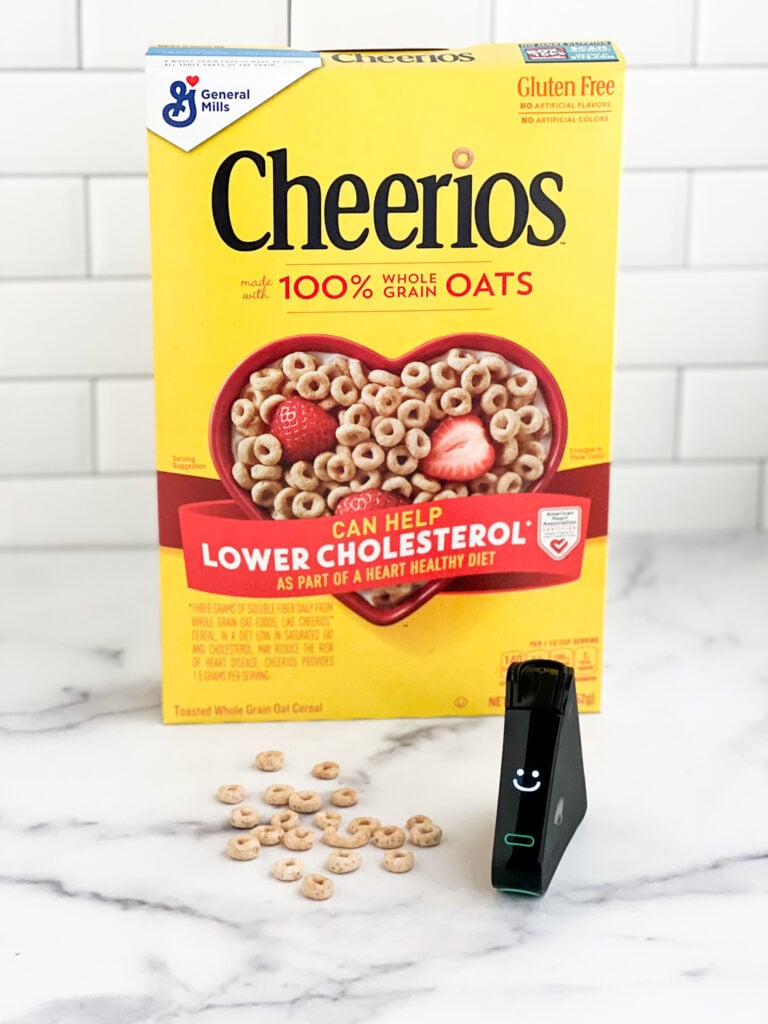
Cheerios is one of the most accessible gluten-free cereals on the market, and most Cheerios varieties are labeled gluten-free. The brand uses mechanically sorted oats and says it employs extensive testing protocols to ensure its products meet FDA gluten-free standards.
Despite these efforts, Cheerios remains one of the most controversial products in the gluten-free community.
Some advocacy organizations and experts, including Gluten Free Watchdog and the Canadian Celiac Association, have raised concerns over the years about General Mills’ oat-sourcing and testing methods. Critics argue that mechanically sorted oats and certain testing approaches may not adequately account for potential variability within large production lots.
At the same time, many people with celiac disease regularly consume Cheerios without issue and are comfortable with the company’s gluten-free practices. General Mills maintains that its products meet FDA gluten-free standards and has publicly defended its testing protocols.
Adding to the controversy, General Mills voluntarily recalled approximately 1.8 million boxes of Cheerios in 2015 after wheat flour was inadvertently introduced into the production process. The company attributed the incident to human error and implemented corrective actions following the recall. (And keep in mind, this was in 2015 – long ago!)
I’ve written extensively on this topic and encourage you to read Unpacking the Gluten-Free Cheerios Controversy: Is It Time to Reconsider Your Stance? for a deeper dive into the debate.
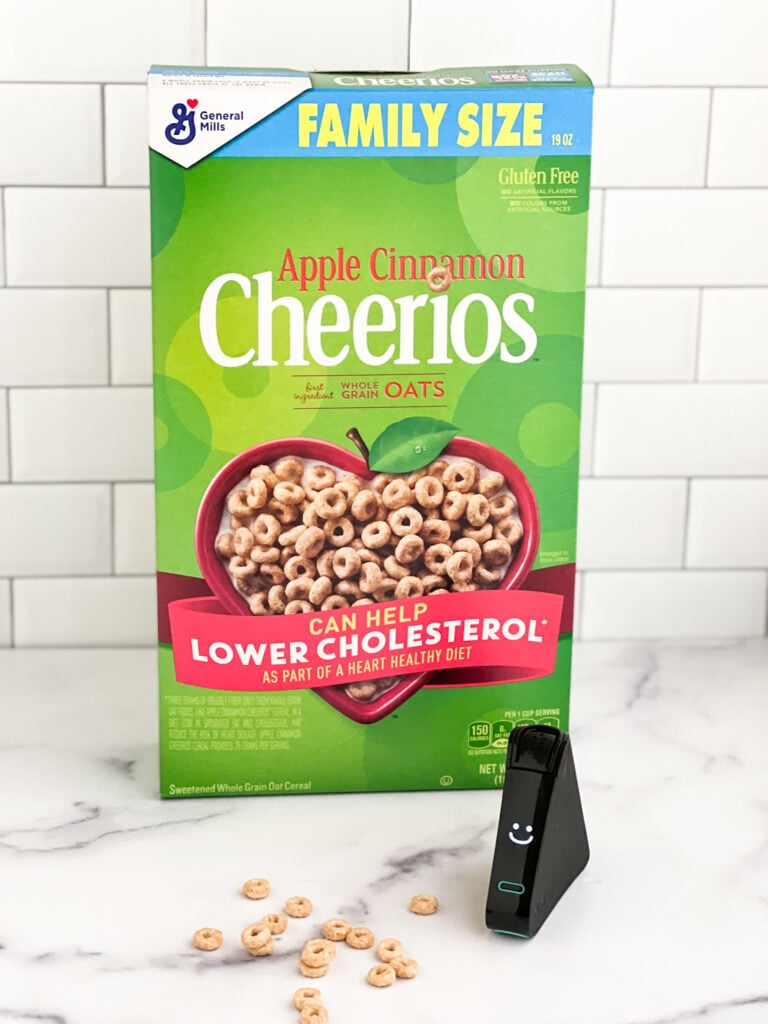
I also tested Cheerios and Apple Cinnamon Cheerios with my Nima Sensor.
Bottom Line: Cheerios is one of the most debated products in the gluten-free community. Some people choose to eat it, while others avoid it. My advice is to review the available information, make the decision that feels right for you, and extend grace to those who make a different choice.
Questions to Ask Oat Manufacturers
If you’re concerned about the safety of gluten-free oats, don’t get too hung up on whether a company uses purity protocol or mechanically sorted oats. Instead, focus on the safeguards the company has in place.
Consider asking:
- Are the oats certified gluten-free by a reputable third-party organization?
- What steps are taken to prevent cross-contact with wheat, barley, and rye?
- Are oats tested before and after processing?
- What testing methods are used?
- Is the company transparent about its sourcing, testing, and quality-control practices?
The more transparent a company is about its gluten-free protocols, the more confidence consumers can have in its products.
Why Can’t Some People with Celiac Disease Tolerate Oats?
While most people with celiac disease can tolerate oats that meet gluten-free standards, a small percentage report symptoms after eating them.
Researchers believe some individuals may react to avenin, a protein naturally found in oats. In these cases, the issue may not be gluten contamination but rather the body’s response to the oat protein itself.
If you consistently experience symptoms after eating gluten-free oats, talk with your healthcare provider and consider eliminating oats to see whether your symptoms improve. If oats continue to cause problems, it may not matter whether they are purity protocol or mechanically sorted oats.
It’s also important to remember that not every digestive symptom is caused by gluten or oats. Other factors, including underlying digestive conditions, food intolerances, or unrelated health issues, may contribute to ongoing symptoms.
Fortunately, research suggests that most people with celiac disease can tolerate oats that meet gluten-free standards. Oats can be a nutritious addition to a gluten-free diet, providing fiber, vitamins, minerals, and other beneficial nutrients.
For a deeper discussion on oat intolerance, avenin, and gluten cross-reactivity, read Understanding Gluten Cross-Reactivity and Gluten Cross-Reactive Foods.
Deciding For Yourself
Ultimately, the decision to eat oats is a personal one. This article isn’t intended to tell you what to do. Rather, my goal is to help you understand the facts, navigate the controversies, and make an informed decision that’s right for you. As with many aspects of the gluten-free diet, the best approach balances scientific evidence, personal experience, and quality of life.
Josie, have you ever thought that maybe that is because you are allergic to oats?
This article is continually updated as new information becomes available. I really appreciate the tips. Keep ‘em coming.
Hey Jenny! Based on the recent GF watchdog tests for Trader Joe’s oats and GF Harvest oats this amazing and helpful post may need an update. Sadly 😞
This article is relevant: https://www.glutenfreewatchdog.org/news/oats-produced-under-a-gluten-free-purity-protocol-listing-of-suppliers-and-manufacturers/
Your style is so unique compared to other people I have read stuff from. I appreciate you for posting when you’ve got the opportunity. Guess I will just bookmark this web site.
Dispite oats in australia/new zealand not being permitted to bear a GF claim or get included within gluten free items in those particular countries. No test may be reliable with oats, Certified wheat free or not. I doubt anyone living in australia has thought of making an oat base dough ball then dissolving it into starch using water. I could bet it would all dissappear into oat starch with no gluten to withstand water. 100% starch would mean the statement of containing gluten shouldn’t have to be trusted. A video of how gluten impacts property of flour proves that a gluten free vegan dough ball dissappears into starch (part of flour not to withstand water).
Only GF marked containers. Be careful!!
Are all Quaker Oats gf? Or only the containers which say GF on the container?
It’s probably not the gluten. These products do not contain gluten. You may have a cross reactivity to oats or oat allergy. Have you looked into it?
I’ve bought 3 bags of Bob’s Red Mill Gluten-Free Oats and been burned twice. I quit buying oats period. Even his Gluten-Free Pancake Mix gives me the same symptoms of eating wheat bread; painful swollen itching joints, scorching headache, pregnant-looking bloated belly, etc.